EN
EN  BS
BS HR
HR IT
IT ME
ME MK
MK SL
SL SR
SR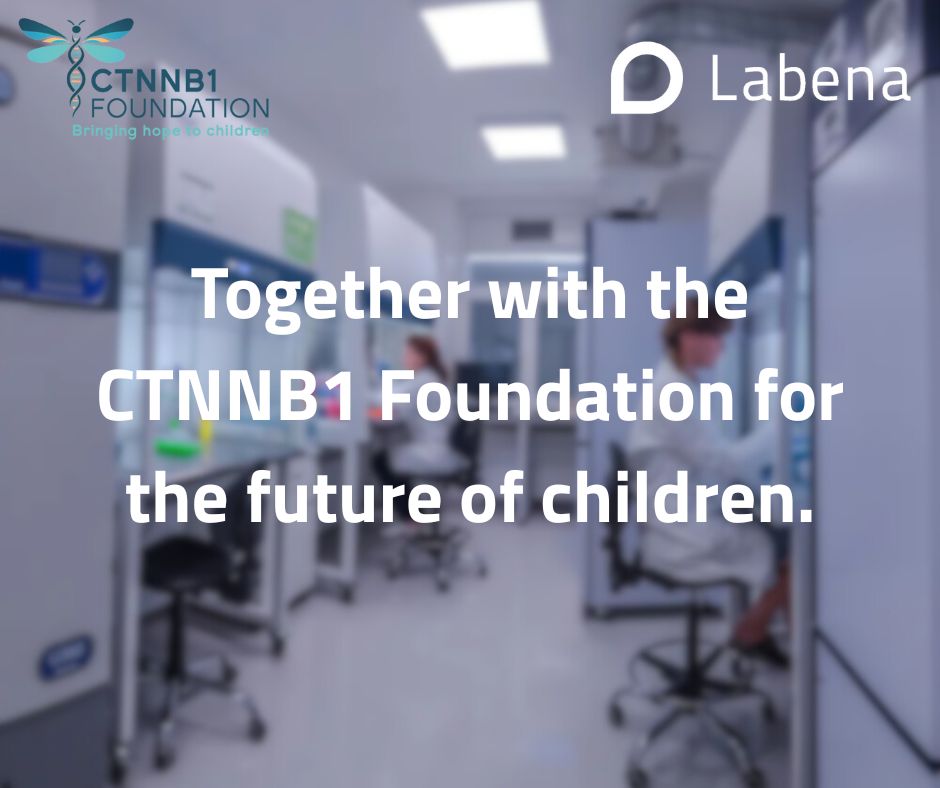
Špela Miroševič, mother of a young boy named Urban who lives with the rare CTNNB1 syndrome, co-founded the CTNNB1 Foundation with her husband. The disease is caused by a genetic mutation in the CTNNB1 gene, which encodes the beta-catenin protein, essential for brain development and function. Both Slovenian and international experts played a crucial role in this project in the field of gene therapy. They also helped raise the funds that enabled the start of development of a treatment for children affected by this rare disorder.
The foundation announced a groundbreaking achievement – Agency for Medicinal Products and Medical Devices of the Republic of Slovenia (JAZMP) has approved the start of clinical trials for this novel gene therapy. This exceptional milestone is the result of a close collaboration, as well as relentless determination between numerous scientific and research institutions worldwide.
Labena – Part of the Story of Hope
Labena’s Contract Research, Development, and Analytics division contributed significant piece to the development and testing of the therapy, as well as to obtaining approval for the start of clinical trials.
Efficacy and safety of this new gene therapy first had to be evaluated in preclinical testing in animals. Within the biodistribution studies, tissue samples from animal models were subsequently analysed by the Molecular Biology Department at Labena’s Contract Research, Development, and Analytics division. The aim of these analyses was to determine:
• how effectively is the gene therapy delivered into different types of tissue,
• how long the transferred genetic information (DNA sequence) remains active, and
• how efficiently the therapeutic gene is expressed.
The analyses were carried out using digital droplet Polymerase Chain Reaction (ddPCR) – one of the most sensitive methods for precise nucleic acid quantification. The results of these analyses served as the foundation for determining safe and efficacious dosage of the therapy to be administered to patients.
From Research to the Clinical Batch
After successful completion of preclinical testing on animals, the production of the gene therapy continued under strictly controlled conditions.
Labena conducted testing potency on the clinical batch of the drug and issued a Certificate of Analysis for potency, confirming that the product demonstrates appropriate biological activity for further stage of clinical studies in humans. Labena’s laboratories are certified for Good Manufacturing Practice (GMP), ensuring that all analyses are performed according to the highest quality and regulatory standards required and exercised in the pharmaceutical industry.
Špela Miroševič expressed her sincere gratitude to Labena: “It was a true pleasure to work with such a dedicated and passionate team. I deeply appreciate all your (Labena’s) effort and support, and I hope this wonderful collaboration will continue for many years to come.”
Together for the Future of Children with CTNNB1 Syndrome
Labena sincerely congratulates Špela Miroševič, the CTNNB1 Foundation, and all the researchers and research teams who contributed to such an important achievement. This breakthrough represents an important recognition for everyone involved in the development of the therapy. More importantly it is opening new possibilities and giving hope to children with CTNNB1 syndrome by being step closer to hopefully receiving an effective treatment that will allow them to live better and more fulfilling lives.